Life Science · Animal Behavior
Why Animals Live in Groups
Analyze repeated observations and build an argument about how some animal groups can help members survive.
Read the science notes ↓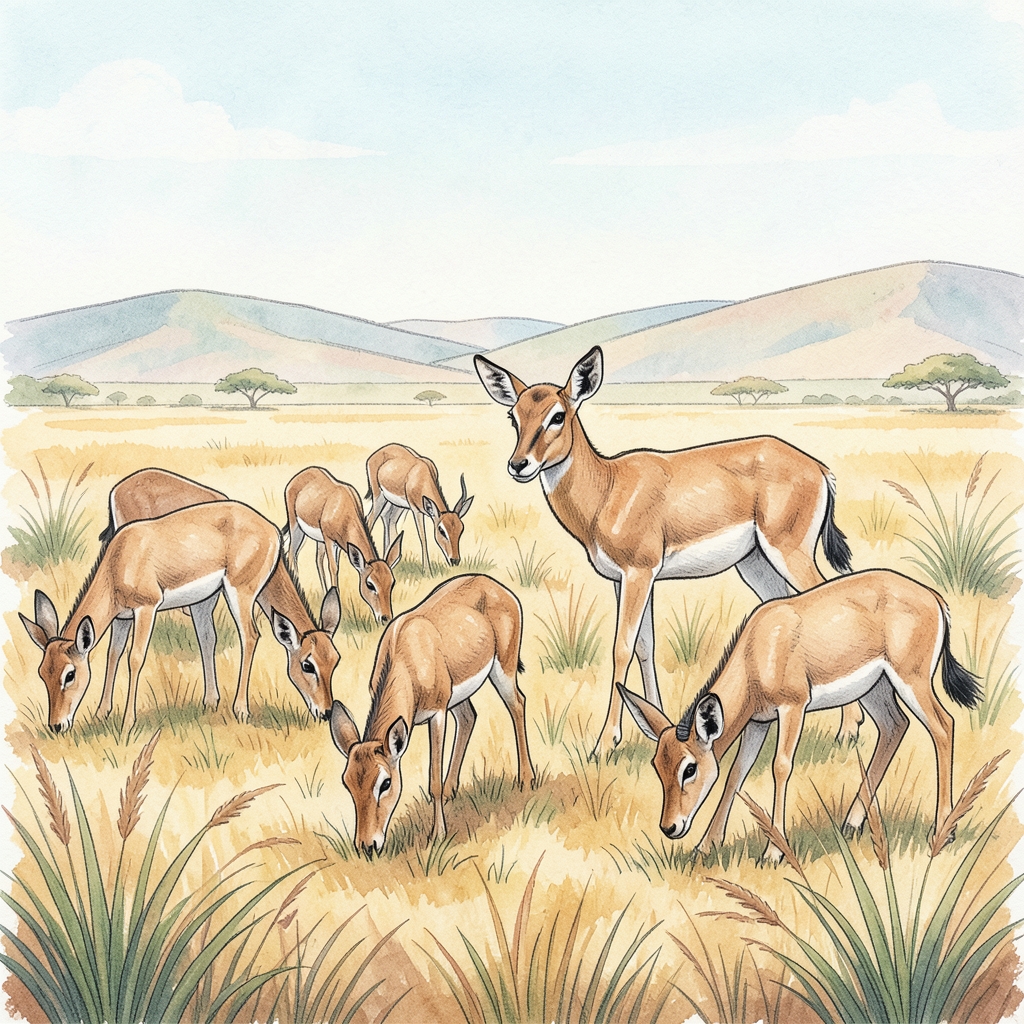
A quick look inside this lesson
What happens in class?
Question to start with
What can you see?
What students actually do
Find the repeated pattern.
Evidence of learning
Careful claim.
Lesson plan
Why Animals Live in Groups
A step-by-step guide to help you teach this lesson.
Extra context for teachers
Science notes: Why Animals Live in Groups
A short concept refresher and teaching perspective. The full procedure, printable materials, and student tasks are available in the lesson resources above.
Science in context
Connect behavior to benefit
Watching by multiple members can lead to earlier threat detection and more response time.
What makes the idea observable?
Some herd members feed while others watch. What is directly observable, and what possible benefit needs data?
Separate direct behavior from an inferred effect.
A misconception worth addressing
- Not all animals form groups.
- Benefits are not guarantees.
Teacher tip
- Use picture evidence cards.
- Provide a behavior-effect-benefit frame.
Verified curriculum references
Plan with confidence
Lesson overview
What students will learn
- Identify an observable group behavior and the survival challenge it may affect.
- Analyze repeated observations or simple data for evidence of a group-survival benefit.
Key science ideas
- Some animals form groups; not all do.
- Groups can help with warning, defense, movement, food, or care of young.
- Repeated observations strengthen evidence for a pattern.
Lesson at a glance
- Grade 3
- 45 min
- ~8 min prep
- 3-LS2-1
- 4 materials
What’s included
- Lesson Plan
- Investigation
- Teacher Slides
- Printable Worksheet
- Teacher Answer Key
- Interactive Activity
- Vocabulary