Life Science · Survival & Environment
Adaptations & Survival in Habitats
Use repeated camouflage data and organism-needs evidence to build a calibrated habitat-survival argument.
Read the science notes ↓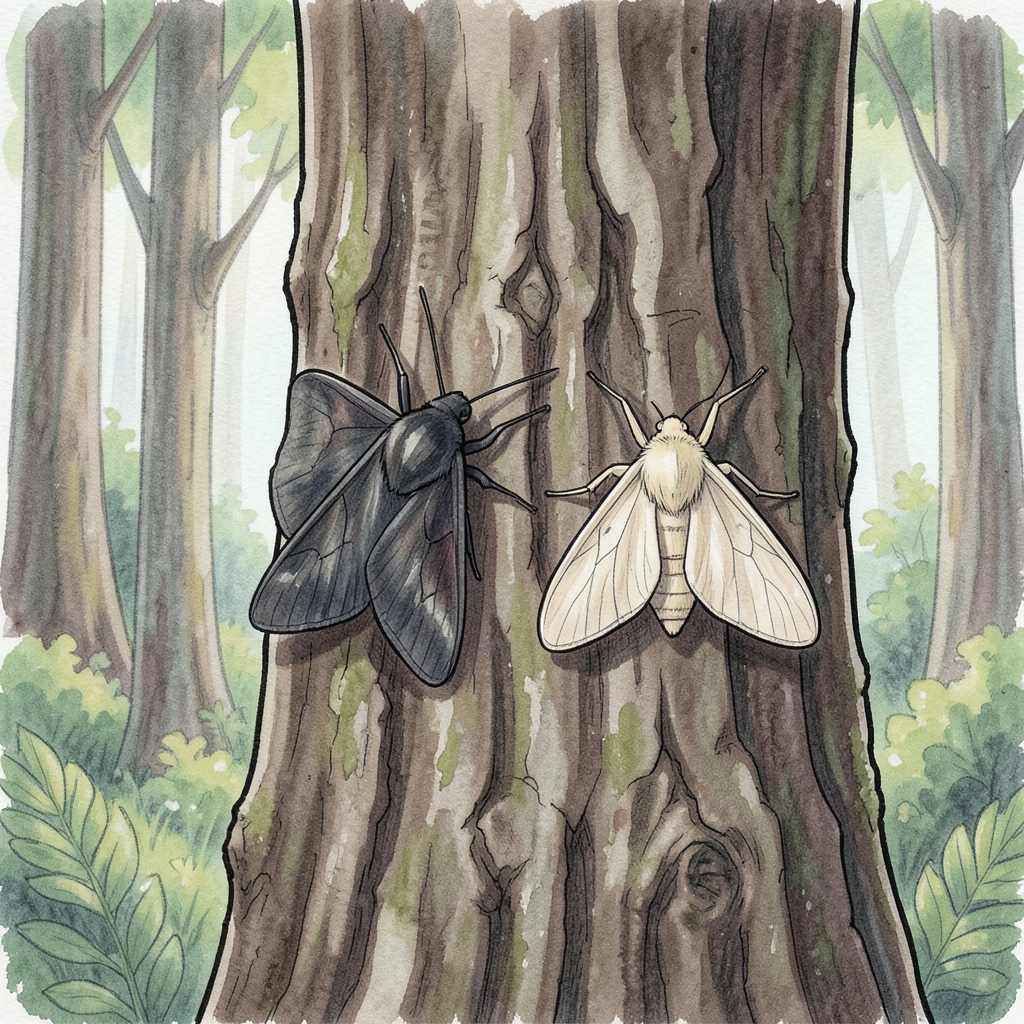
A quick look inside this lesson
What happens in class?
Question to start with
What varies?
What students actually do
Compare and total data.
Evidence of learning
Habitat-specific limit.
Lesson plan
Adaptations & Survival in Habitats
A step-by-step guide to help you teach this lesson.
Extra context for teachers
Science notes: Adaptations & Survival in Habitats
A short concept refresher and teaching perspective. The full procedure, printable materials, and student tasks are available in the lesson resources above.
Science in context
Calibrate the argument
A characteristic helpful in one habitat may not be helpful everywhere.
What makes the idea observable?
Mostly dry open ground has low grass, warm daytime temperatures, common seeds and insects, one shallow pond near an edge, and little dense shade.
Compare each organism's stated needs with these habitat features.
Plan with confidence
Lesson overview
What students will learn
- Use repeated evidence to explain how a variation in a characteristic can provide an advantage in a particular habitat.
- Use organism needs and habitat characteristics to compare which organisms can survive well, less well, or not at all in a specific habitat.
Key science ideas
- Dark-bark equal viewing trials found dark insects 2, 3, and 2 times and bright insects 7, 8, and 6 times.
- Lower detection can provide an advantage; it does not guarantee survival.
- Organisms do not choose inherited traits because they need them.
Lesson at a glance
- Grade 3
- 45 min
- ~10 min prep
- 3-LS4-2 · 3-LS4-3
- 3 materials
What’s included
- Lesson Plan
- Investigation
- Teacher Slides
- Printable Worksheet
- Teacher Answer Key
- Interactive Activity
- Vocabulary