Life Science · Birds and Habitats
Design a Bird-Friendly Habitat
Design a safer schoolyard habitat for visiting birds by matching food, clean water, plant cover, nesting space and window safety to evidence.
Read the science notes ↓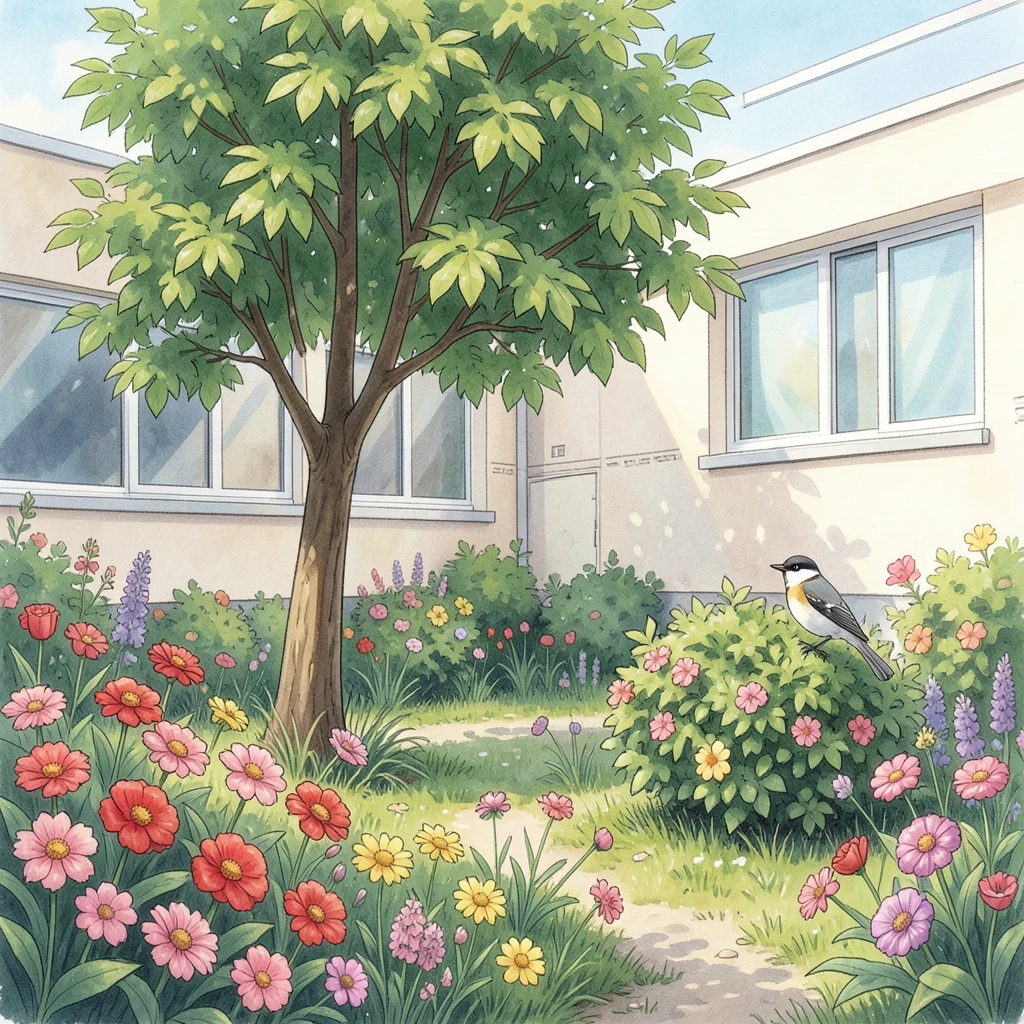
A quick look inside this lesson
What happens in class?
Question to start with
Where might a bird rest?
What students actually do
Compare placement choices and explain safety.
Evidence of learning
Claims limited to observed visits.
Lesson plan
Design a Bird-Friendly Habitat
A step-by-step guide to help you teach this lesson.
Extra context for teachers
Science notes: Design a Bird-Friendly Habitat
A short concept refresher and teaching perspective. The full procedure, printable materials, and student tasks are available in the lesson resources above.
Science in context
Design for needs and safety
Look at a real or illustrated schoolyard. Choose changes that make sense for the local birds and the available space.
What makes the idea observable?
Compare a bare playground corner with a leafy, planted schoolyard corner. Where could a small local bird find insects or seeds, cover, and a quieter place to rest?
Different birds have different needs. Do not promise that adding a feature guarantees nesting.
A misconception worth addressing
- One sighting does not prove every bird uses a feature.
- A decorative birdhouse alone does not create a complete habitat.
Teacher tip
- Provide picture cards and allow pointing or oral explanations.
- Use sentence frame: 'I chose __ because birds need __.'
Verified curriculum references
Plan with confidence
Lesson overview
What students will learn
- Identify food, water, plant cover, and safe nesting areas birds may use.
- Compare features of a schoolyard and decide which design changes could help birds without creating new hazards.
Key science ideas
- Trees, shrubs and suitable native plants can offer some birds food, cover and nesting places.
- Different bird species eat different foods, including seeds, fruit or insects.
- Clean shallow water may help birds; adults should refresh it and keep containers clean.
Lesson at a glance
- Grade 2
- 40 min
- ~10 min prep
- K-2-ETS1-1
- 4 materials
What’s included
- Lesson Plan
- Investigation
- Teacher Slides
- Printable Worksheet
- Teacher Answer Key
- Interactive Activity
- Vocabulary