Life Science · Matter & Energy in Living Things
Inside Cells: Food Molecules & Usable Energy
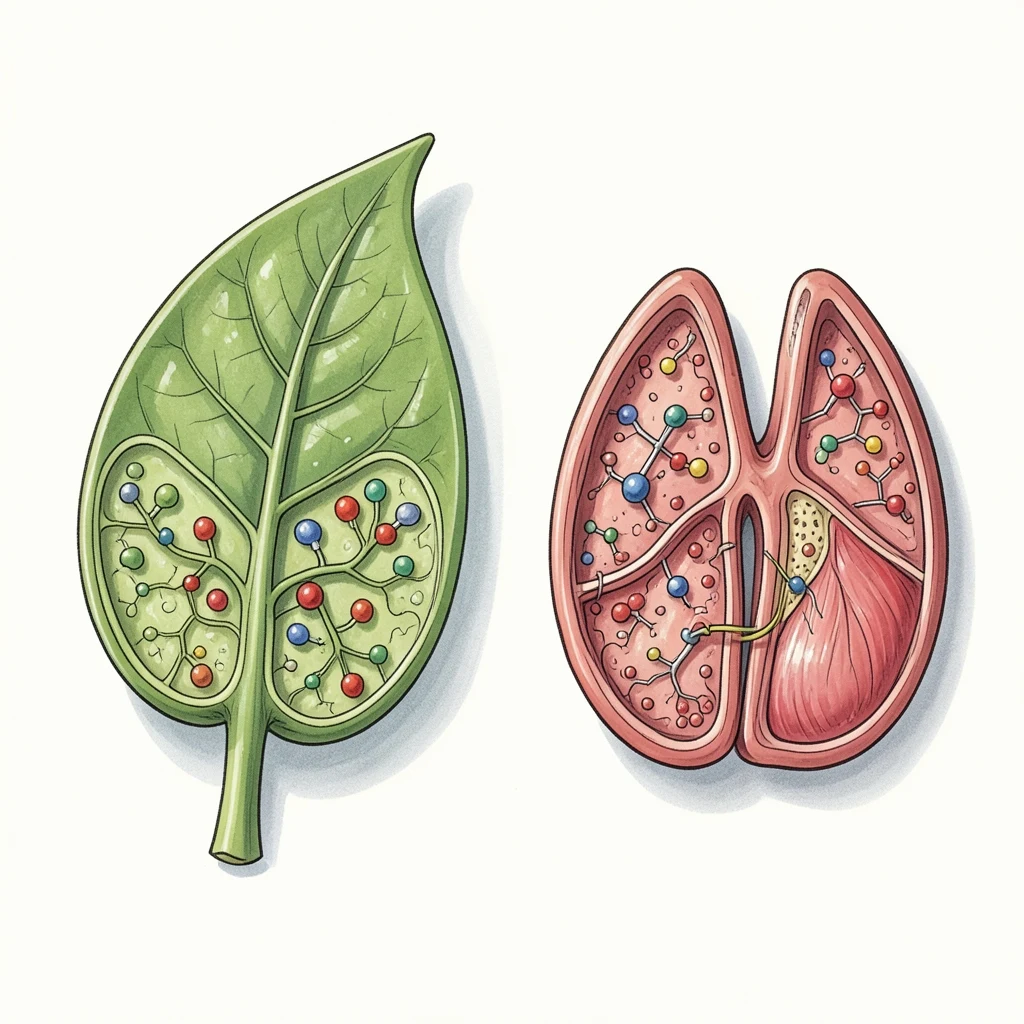
Use a cell-level particle model to explain how organisms rearrange food matter and transfer energy for life processes without creating atoms or energy.
Lesson plan
Inside Cells: Food Molecules & Usable Energy
A step-by-step guide to help you teach this lesson.
Plan with confidence
Lesson overview
What students will learn
- Trace food molecules into cells and distinguish the matter they supply from the usable energy their reactions transfer.
- Use a simplified atom-token model to show that atoms are rearranged into new molecules rather than created or destroyed.
Key science ideas
- Food contains molecules made from atoms, such as carbon, hydrogen and oxygen. Digestion in many animals helps make molecules available to cells.
- Cells can rearrange atoms from food molecules into new molecules that build or maintain cell material.
- Other cell reactions, including cellular respiration, transfer some chemical energy into forms usable for cell processes, with energy also transferred to the surroundings.
Lesson at a glance
- Grade 6
- 55 min
- ~12 min prep
- MS-LS1-7
- 5 materials
What’s included
- Lesson Plan
- Investigation
- Teacher Slides
- Printable Worksheet
- Teacher Answer Key
- Interactive Activity
- Vocabulary