Earth Science · Changing Earth
How Water and Wind Change the Land
Observe how water and wind move loose land material, then compare solution designs under matched test conditions.
Read the science notes ↓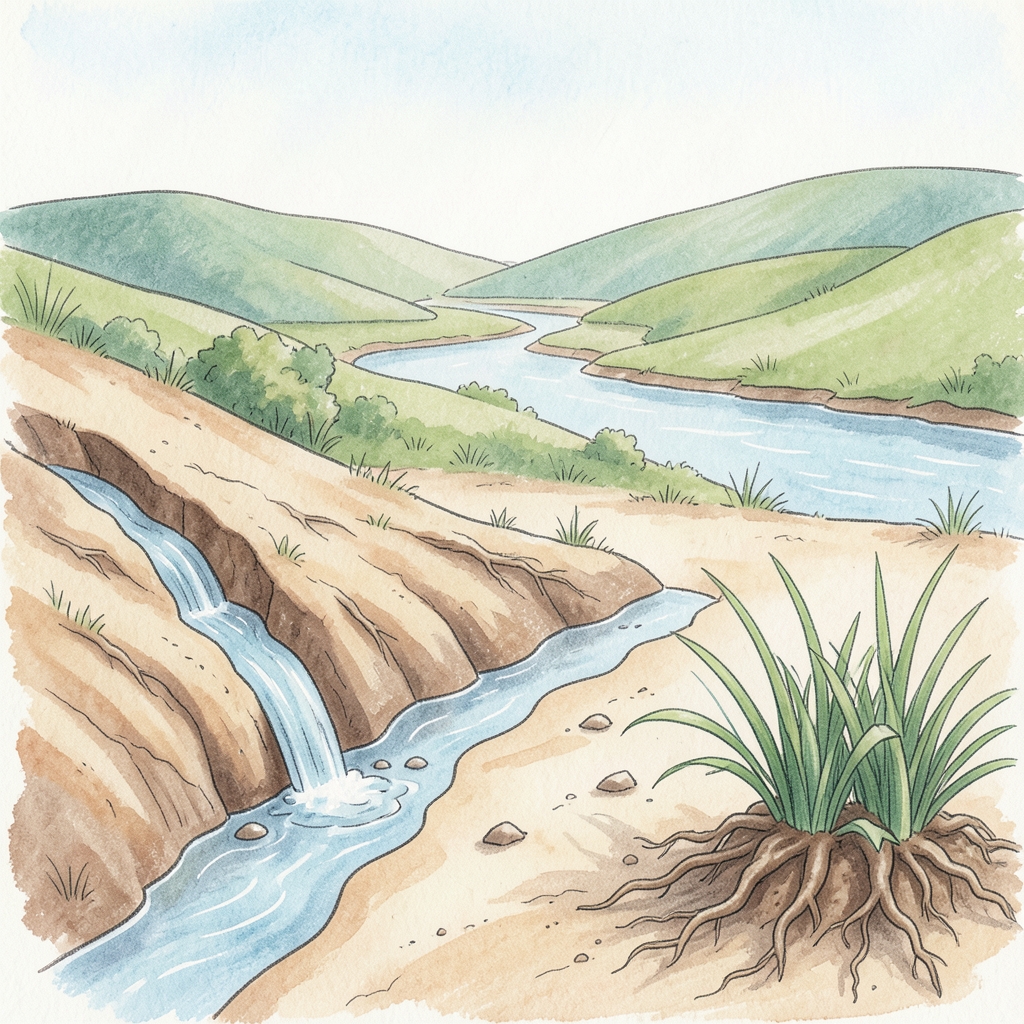
A quick look inside this lesson
What happens in class?
Question to start with
What should we watch for?
What students actually do
Record each result after it is revealed.
Evidence of learning
At least two solutions tested under matched conditions.
Lesson plan
How Water and Wind Change the Land
A step-by-step guide to help you teach this lesson.
Extra context for teachers
Science notes: How Water and Wind Change the Land
A short concept refresher and teaching perspective. The full procedure, printable materials, and student tasks are available in the lesson resources above.
Science in context
Recommend from the evidence
Engineers compare at least two solutions and record what changed in each matched test.
What makes the idea observable?
Two model slopes begin with the same shape. How can we compare two solution designs fairly?
Change the solution design while keeping the starting slope, shape, marked water amount, and pour point the same.
A misconception worth addressing
- Moved material has not disappeared.
- A classroom result applies to this model, not every place.
Teacher tip
- Use picture cards for channel and deposit.
- Let students point before writing.
Verified curriculum references
Plan with confidence
Lesson overview
What students will learn
- Describe how water or wind can move soil or sand and change the shape of model land.
- Compare two or more solution designs using the same test conditions and evidence from what changed.
Key science ideas
- Moving water can carry loose soil or sand and change a land shape.
- Moving air can move loose material.
- Moved material does not disappear; it collects in a new place.
Lesson at a glance
- Grade 2
- 40 min
- ~12 min prep
- 2-ESS2-1
- 6 materials
What’s included
- Lesson Plan
- Investigation
- Teacher Slides
- Printable Worksheet
- Teacher Answer Key
- Interactive Activity
- Vocabulary